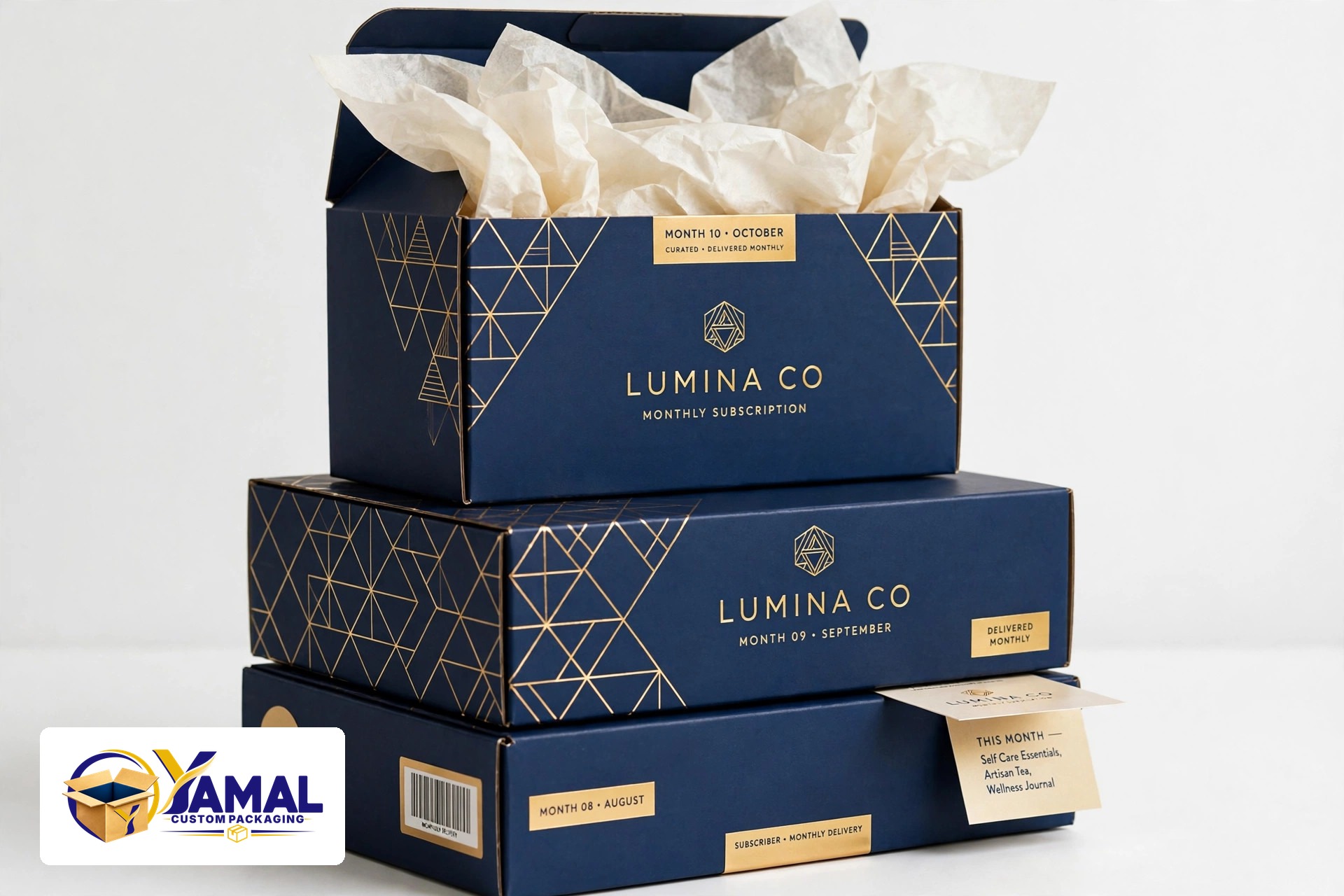
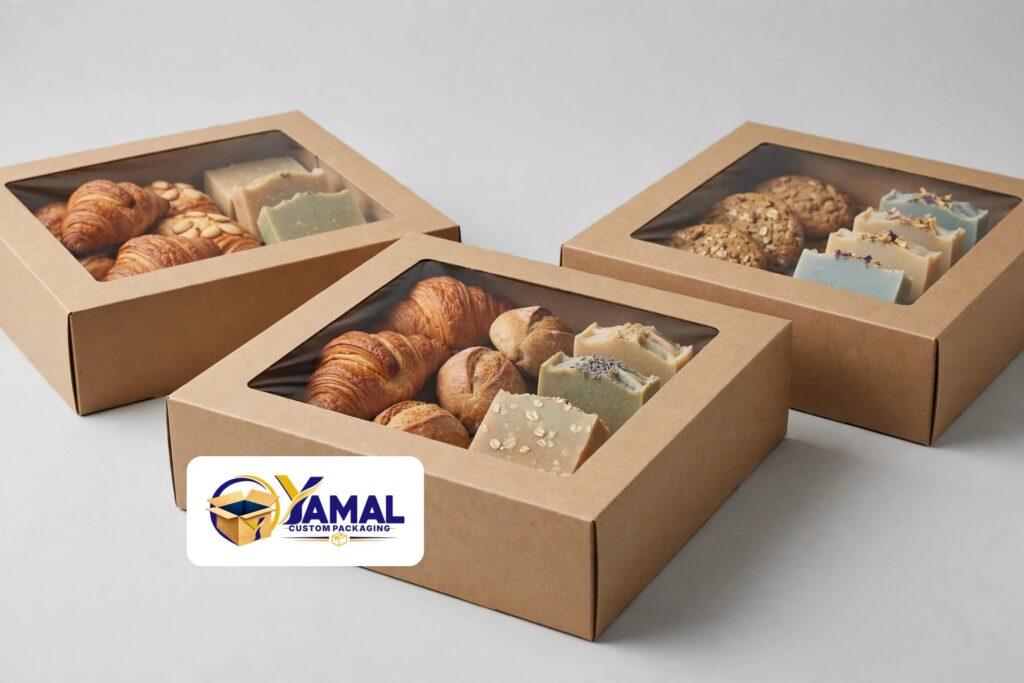
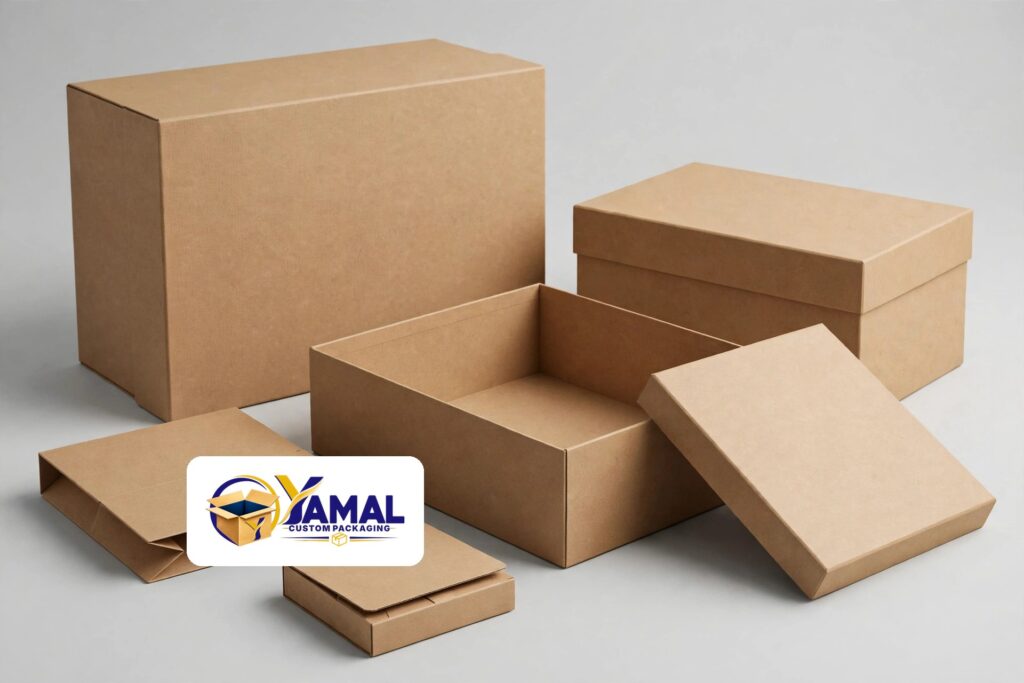
The first box is easy. Somebody has just signed up, they’re keen, everything in it is new to them, and almost any decent box will do the job. The real test comes around month four or five, when the novelty has worn off and they’re standing in the kitchen, kettle on, idly deciding whether this is still worth twenty-odd quid a month. The box is part of that decision. It always has been, whether the brand running the subscription thinks about it or not.
A normal retail box gets judged once. Yours gets judged against last month’s, by the same person, in the same kitchen. That is the whole difference, and it’s why subscription packaging deserves a bit more thought than a logo printed on a mailer and fingers crossed.
One size, and choose it for the biggest month
Most subscription packaging mistakes happen right here. The launch box gets sized neatly around the launch contents. Then month three includes a bigger item, month six is a bumper edition, and suddenly the packing team is forcing lids shut — or you’ve ordered a second box size and doubled your storage problem at a stroke.
Pick the size for the largest month you realistically plan over the next year. For slimmer months, take up the slack inside the box: a divider, an insert tray, a bit more tissue. One outer size keeps everything else simpler too. One stack in storage. One packing routine. One postage calculation. It sounds dull, and it is, and dull is exactly what you want from logistics.
The thirty seconds after the lid lifts
Watch somebody open one of these boxes and you’ll notice the order matters. Lid goes up. The first thing they see shouldn’t be scrunched-up filler or the back of a supplier’s leaflet. A card sitting on top works — the month’s name, a line or two about what’s in there and why it was picked. Then the products themselves, still sitting roughly where somebody put them, not slid into one corner somewhere between your warehouse and their front door.
A printed inside lid helps more than most brands expect, incidentally. It’s the one part of the box that’s guaranteed to be looked at, at the exact moment they’re most interested in looking. A pattern is fine. A short message is fine. Blank white board is also a choice, just not a very good one.
Fitted inserts are worth the money when your products are fragile, or when the “somebody chose all this for me” feeling is a big part of what you’re selling — which, for a subscription, it probably is. If the contents are sturdy, tissue and a divider will do the job for a lot less. Don’t buy structure you don’t need. Plenty do.
Cards, notes and other bits of paper
The contents card earns its place in the box. People genuinely read them, and a fair number keep them, particularly when the card explains why this month’s things were chosen rather than just listing them. A next-month teaser does quiet work too. “Next month is the winter one” gives a wavering subscriber one more reason to let the next payment go out before they think too hard about cancelling.
After that, be careful. A referral card makes sense — a customer is never happier with you than in the minute after opening a good box, so that’s the moment to ask. But three inserts all saying similar things, a catalogue of products nobody asked about, loose discount flyers sliding around: that isn’t a treat. That’s junk mail that arrived in a nicer box. If a piece of paper doesn’t tell them something or give them a reason to stick around, leave it out and save the pennies per box.
Fresh without new boxes
Reprinting the outer box every month would be lovely and financially daft. Luckily the outside isn’t really what goes stale. It’s the inside that subscribers get bored of, and the inside is cheap to change. Different tissue colour. A redesigned card. A sticker seal in December that isn’t there in July. A different message inside the lid for the month the subscription turns a year old.
Most of the subscription brands Yamal Custom Packaging works with keep the same outer box for a year or more and just rotate what’s inside it. From the subscriber’s side of the kitchen table it feels new each time. From the warehouse side, nothing has changed at all, which is rather the point.
The unglamorous costs
Postage is where subscription margins quietly leak away. Couriers charge by weight and size bands, and a box a few millimetres too big — or one heavy product tipping a parcel over a weight threshold — costs extra on every single parcel, every single month. Across two thousand subscribers and twelve sends a year, small numbers stop being small very quickly.
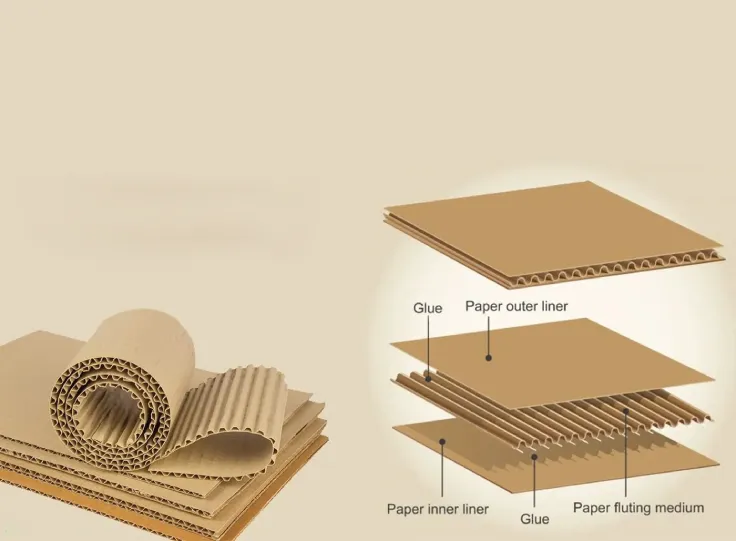
Board choice matters for a duller reason: the box has to survive the postal system repeatedly, and a corner-crushed box makes perfectly good products look like a letdown before they’ve even been touched. Corrugated mailer board takes the knocks. Thin folding carton, mostly, doesn’t. And think about the doorstep while you’re choosing colours. Boxes sit in the rain on step edges, get stacked and scuffed in vans. Dark print hides a lot of that life. Pale boxes show every bit of it.
Questions we’re asked
How much does the packaging cost per subscriber, roughly?
As a guide, most standard printed mailers at subscription volumes come in somewhere between 60p and £2 each, depending on size, board and how many you order at a time. Tissue, stickers and cards add pennies per box on top. Treat that as a starting point for a conversation rather than a budget, because your box isn’t most boxes.
Should the box design change every month?
No. Keep the outer box the same — subscribers recognise it on the doorstep, and your print costs stay sane. Change what’s inside instead. That’s where the freshness actually lives.
What sort of box should I start with?
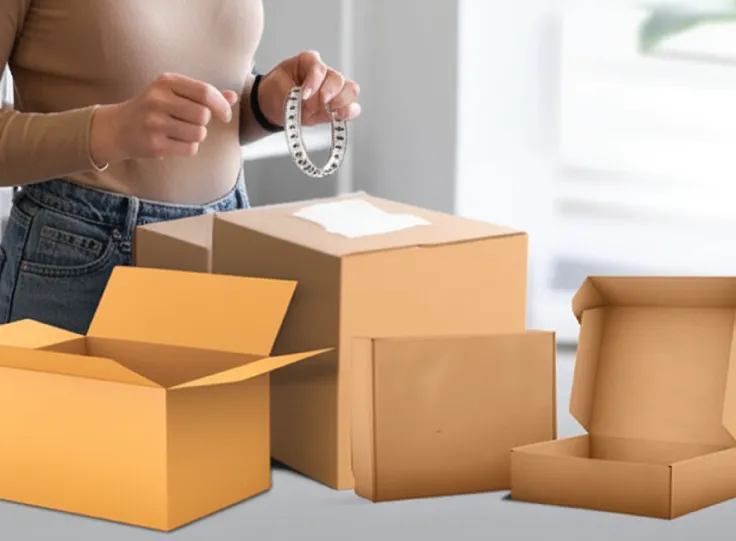
For most subscriptions, a self-locking corrugated mailer. It goes together quickly at packing time, needs no tape, survives the post well enough, and prints inside and out. If what you’re sending is heavy or breakable, talk through board grades before you order, not after the first round of damage complaints.
If you’re putting a subscription together, or the boxes have gone a bit stale and cancellations are creeping up, Yamal Custom Packaging can sort the mailer, the inserts and the printed bits as one job — and there’s no minimum order while you’re still testing whether the idea works. Tell us what goes in the box and we’ll take it from there.