Most people choose a box style from a photo. The sample turns up, everyone nods. Then somebody has to pack four hundred of them, tape gun jamming, courier due at five.
That’s when the choice gets made. Not on a screen — on the bench. How it folds, how fast it goes together, whether the base holds when picked up by one corner. So here’s the plain version: how each style packs, what it suits, and where it falls down.
Tuck end boxes — the default, for dull reasons
The tuck end is the carton you see most often, and there’s nothing mysterious about it. It stores flat, the blank wastes little board, so it’s cheap, and anyone can fold one first try.
There are two versions. On a straight tuck end, both flaps fold in from the same side, giving you one clean face — that’s why it turns up on cosmetics. On a reverse tuck end, the flaps come from opposite sides. Slightly less tidy; on a shelf, nobody notices.
Packing is fine, not fast: fold the bottom, tuck, turn it over, fill it, tuck the top. Ten seconds, maybe fifteen with cold hands. No problem at fifty boxes. Tiring at five hundred.
It suits light, dry, everyday things — soap, tea, small electronics, supplements. Not weight. The tuck holds by friction, and friction gives up eventually, usually in a customer’s bag.
Auto-lock and crash lock — speed is the whole point
An auto-lock base — crash lock is near enough the same idea for most buyers — forms itself as you open the carton. Squeeze the flat blank and the bottom panels snap into place. No taping. No folding four flaps in sequence.
Timed against a tuck end, it isn’t close: two or three seconds a box instead of ten or fifteen, and your hands don’t ache by mid-afternoon.
The locked base is stronger, too — the panels interlock rather than relying on a tucked flap — so it’s the style I’d reach for when a product is heavier than it looks: bottles, jars, candles in glass.
The catch is unit cost. The blank is bigger and needs gluing. Pack twenty boxes a month and it isn’t worth it. Pack hundreds a week and the saved time usually covers the difference.
Mailer boxes — built for the post
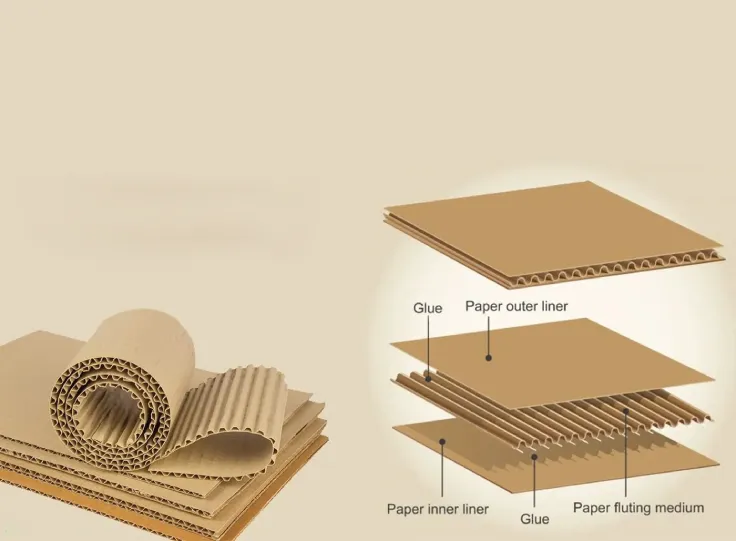
A mailer is a corrugated box designed to be posted, not to sit on a shelf. Thicker walls, edges that can take a knock, usually a peel-and-seal strip, so no tape needed. Some have a tear strip so the customer can open it without scissors.
Packing is middling-fast: the box folds up quickly, but you’re usually adding tissue or a card, so the job takes longer than the box suggests.
Mailers suit e-commerce and subscription products — anything posted that must arrive looking like it left you five minutes ago. Set size ranges, too, mean an awkward shape can leave you paying postage on fresh air.
Gable boxes — the handle is the point
The gable box is the barn-shaped one with a handle built into the top, and the handle isn’t decoration. It exists so the box can be carried — from a market stall to a car, from a bakery counter to a party.
They pack reasonably fast: the top folds together and locks through a slot, done. A row of them on a stall table reads as “gift” before anyone’s read a word.
Load is where they fall down — the handle and the top fold are the weak points. A cake, fine. Favours, sweets, a sandwich and a drink, fine. Two chutney jars and a bottle of something — you’re pushing it, and the walk home is where you’ll find out.
Sleeves — half a box, on purpose
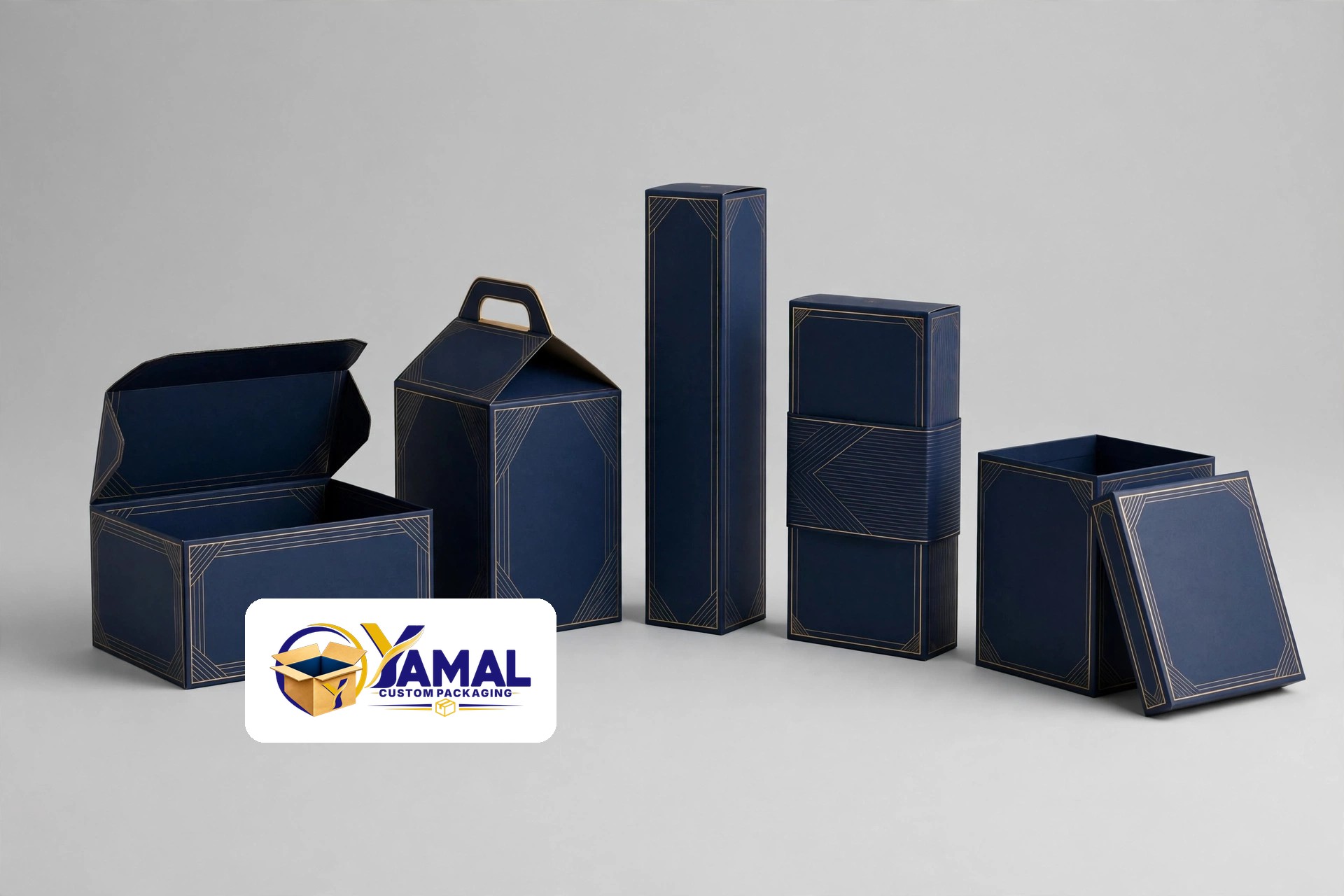
A sleeve isn’t a box at all. It’s a printed band of card that slides over something else — a plain box, a tray, a tub.
The point is money and flexibility. Plain boxes bought in bulk are cheap; printing is where costs creep in. So you keep one plain box underneath and change only the sleeve — the Christmas edition, the new flavour, the rebrand.
The downsides are real. Two pieces to marry up means packing is slower than it looks, and a sleeve a millimetre too loose will wander off-centre. And a sleeve protects nothing. Whatever’s underneath does that job by itself.
Suits food trays, ready meals, soap, cosmetics sets — anything sturdy underneath that just needs dressing.
Drawer boxes and two-piece rigid — the slow end
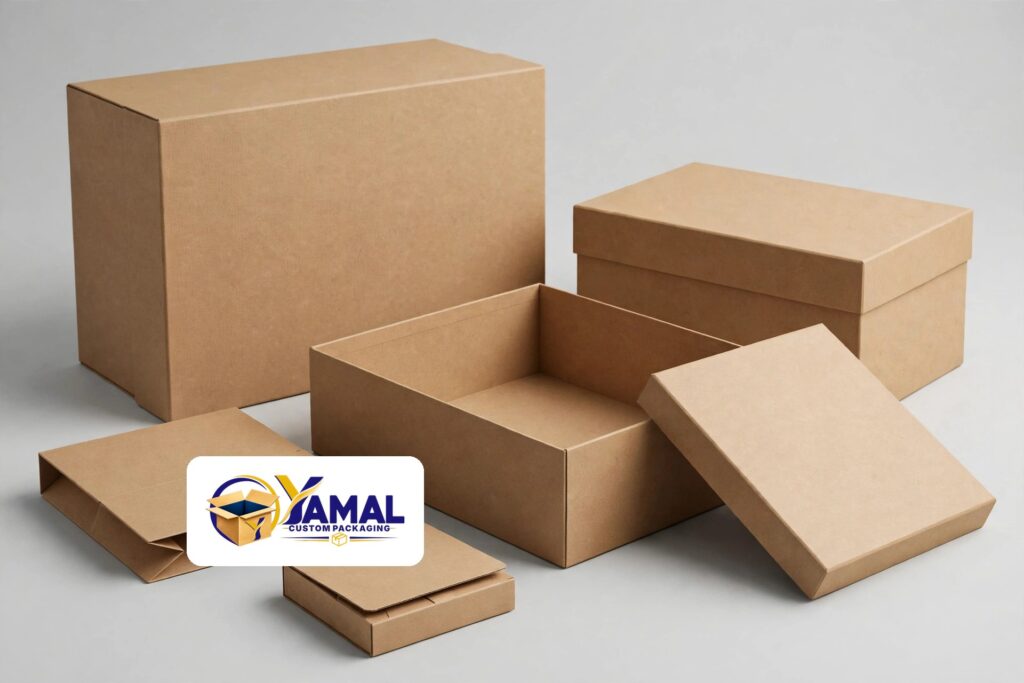
At the far end are the styles that don’t fold flat: a drawer box is a tray sliding out of a shell; a two-piece rigid is a thick base with a separate lid. Both are about how opening the thing feels — slow, deliberate, a bit ceremonious.
For the right product that’s exactly what you want: jewellery, watches, a gift set opened once, carefully, at a table, with an audience.
Rigid boxes are slow to pack. They arrive made up, so storage is a genuine problem — a pallet of them is mostly air. And they’re the priciest style here.
Fragile items can do well in them — the board is thick — but only if the product is held still by an insert. A jar rattling inside a beautiful rigid box is still a jar rattling.
Window boxes — letting the product sell itself
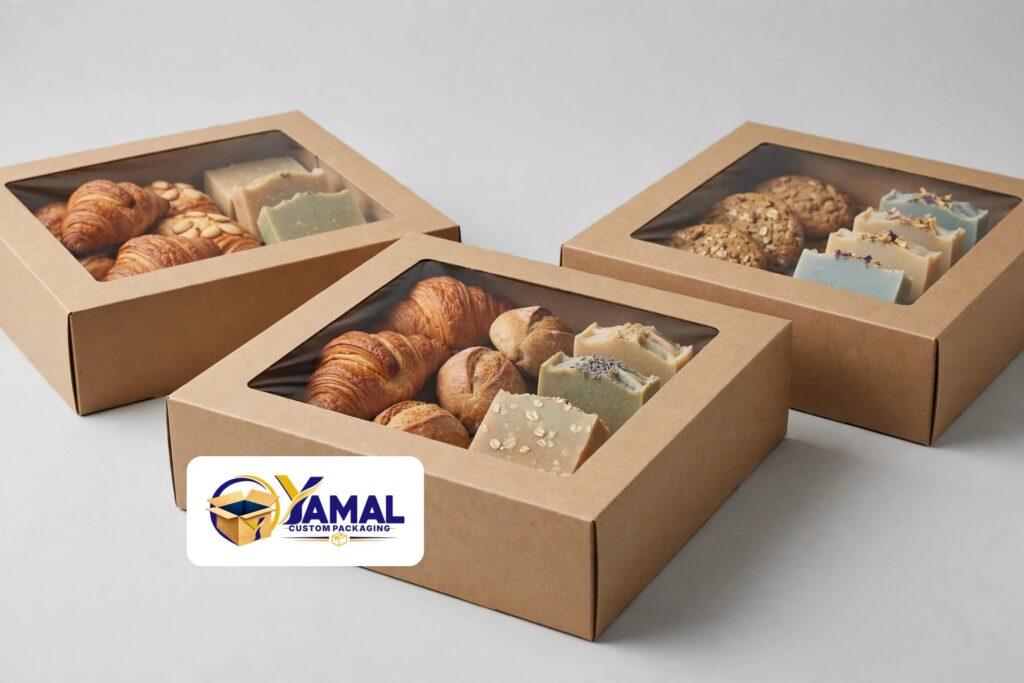
A window box is usually a tuck end carton with a hole in the front and clear film behind it. The customer sees the actual product, so the product does the selling.
It works where the product is the prettiest thing you’ve got: iced biscuits, cupcakes, bath bombs, toys. Bakeries especially.
The trade-offs are structural. You’ve cut a hole in the board, so it’s weaker than the same box plain, and the film scuffs in transit. The film is usually plastic, too — awkward if your whole pitch is plastic-free.
Whatever you do, don’t window a heavy product. You’ve removed card from the exact panel that would have carried the load.
Heavy or fragile? Read this before you order
If the product is heavy — glass jars, bottles, anything much over a kilo — skip tuck ends and save gable handles for light things. Look at a crash lock base, or a corrugated mailer if it’s being posted.
Fragile is a different problem. The style matters less than the fit. A snug insert in an ordinary mailer protects glass better than a luxury rigid box where it can move. Movement is what breaks things. If it can’t move, it usually arrives.
And never let a sleeve be the only thing protecting something fragile. It will not end well.
Still torn? Work backwards from the worst day it’ll have: posted across the country, carried home in the rain, stacked in a stockroom, opened in front of friends. Pick the style that survives that day. Then worry about looks.
If it helps to talk it through with the product in front of someone, that’s a fair chunk of what we do at Yamal Custom Packaging: people send us the thing they’re selling, and we tell them honestly which style we’d use.
Questions people actually ask
Which box style is cheapest?
Usually the tuck end — the flat blank wastes the least board. But count your time: hand-packing hundreds a week, the cheapest carton can be the expensive option by Friday.
Which is fastest to pack?
Auto-lock, comfortably — the base forms as you open it. At low volumes it hardly matters; at a few hundred a week it’s the difference between finishing at three and finishing at six.
Can any style be made in my size?
Mostly, yes. They’re made to order, so dimensions follow your product, not a stock shelf. Small runs of rigid are the exception — the setup makes them pricey.
What’s best for posting products?
A mailer, sized as close to the product as you can manage. Snug protects better and keeps you in a cheaper postage band, more often than not.
I sell candles in glass jars. What would you pick?
A crash lock carton for shop sales, a mailer for posting, and something inside either way to stop the jar moving. Not a tuck end, however good the print looks. At Yamal Custom Packaging it’s the combination we’re asked about most.